How to Source Garments from Bangladesh: The Ultimate Buyer's Guide
Learn how global fashion brands and e-commerce businesses source garments from Bangladesh factories, with insights on MOQ, sampling, and supplier verification.
Sourcing garments from Bangladesh has become the premier choice for global fashion retailers, wholesalers, and e-commerce apparel brands. As the world's second-largest exporter of ready-made garments (RMG), Bangladesh offers unparalleled advantages in garment manufacturing capacity, skilled labor, and specialized production of knitwear, woven garments, and denim. To successfully navigate this market, brands often rely on comprehensive <a href="/service" class="text-primary hover:underline font-semibold">apparel sourcing services in Bangladesh</a> to streamline their operations.
To successfully navigate the apparel sourcing landscape, utilizing professional apparel sourcing services, fashion buyers must understand key steps in supplier verification, sampling, and bulk production management.
1. Finding and Verifying Certified Factories:
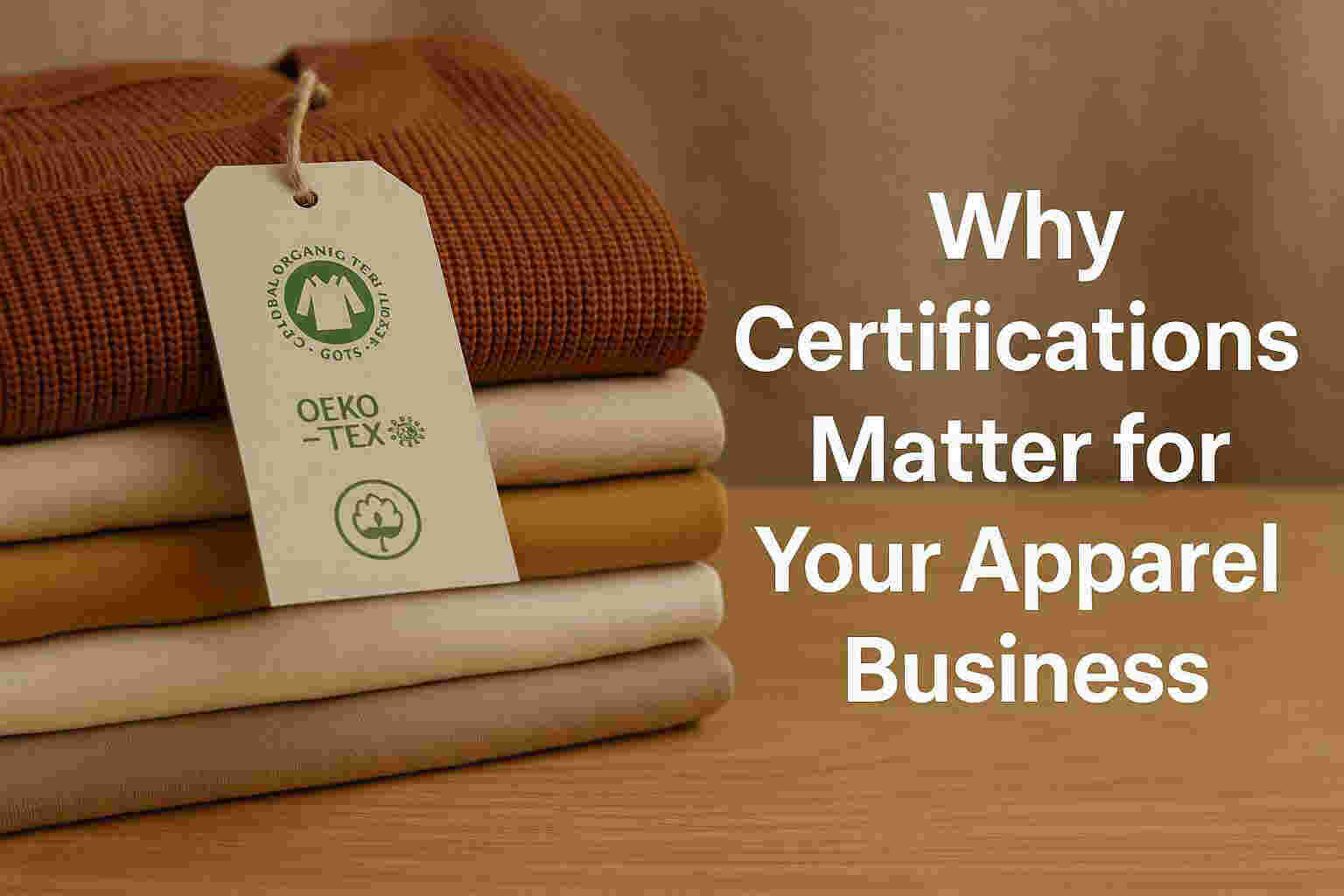
When choosing a certified <a href="/" class="text-primary hover:underline font-semibold">Bangladesh apparel manufacturer</a>, prioritize certified factories that strictly adhere to international compliance and social audit standards, such as amfori BSCI, WRAP, SEDEX, and OEKO-TEX. Verification of these certificates ensures that your supply chain maintains high ethical standards, fair labor practices, and safe working conditions.
2. Managing the Sampling Process:
Before proceeding to bulk manufacturing, the sampling process to request a <a href="/contact" class="text-primary hover:underline font-semibold">request a garment sourcing quote</a> is your primary quality control gate. Work closely with your <a href="/about" class="text-primary hover:underline font-semibold">garment manufacturing partner</a> to develop tech packs, confirm measurements using a professional <a href="/sizechart" class="text-primary hover:underline font-semibold">clothing measurement guide</a>, and perform fabric inspection. Requesting pre-production samples (PPS) allows you to verify fits, embroidery, and custom <a href="/printingembroidery" class="text-primary hover:underline font-semibold">printing and embroidery services</a>.
3. Negotiating MOQs and Production Timelines:
Minimum Order Quantities (MOQs) in Bangladesh can vary based on fabric selection and design complexity. Woven garments and complex outerwear typically require higher MOQs compared to basic knitwear. Establish clear timelines for raw material procurement, inline quality inspection, final packaging, and pre-shipment AQL checks to ensure timely <a href="/shop" class="text-primary hover:underline font-semibold">bulk garment production</a>.
By working with an experienced agency providing <a href="/service" class="text-primary hover:underline font-semibold">sourcing and procurement services</a> in Bangladesh like Aaryan Sourcing, you gain a dedicated local QC team and direct access to fully compliant vertical factories, guaranteeing a seamless production cycle from design to delivery (learn more on the <a href="/faq" class="text-primary hover:underline font-semibold">Aaryan Sourcing FAQ</a> page).
Written by Aaryan Sourcing Team
Reviewed by Apparel Sourcing Specialists
Last updated: May 2026